


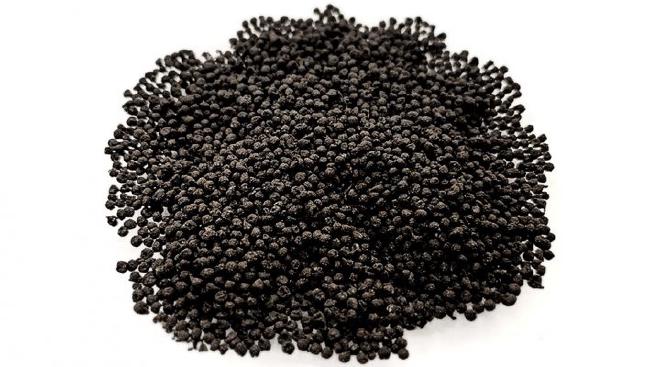
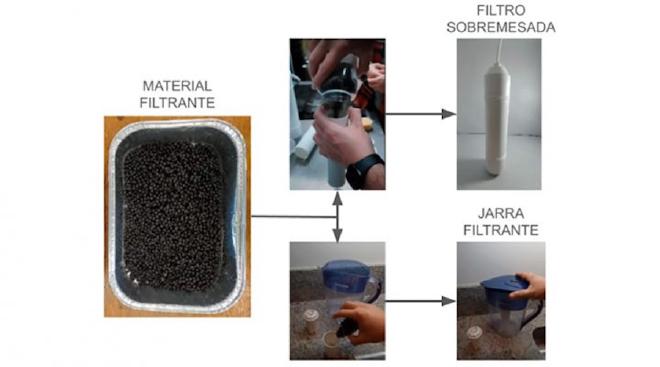
A research team from CONICET and University of Buenos Aaires (UBA) at the Buenos Aires Institute of Physics (IFIBA, CONICET-UBA) developed a novel material to remove arsenic and other contaminants from water, such as bacteria, viruses, fungi, antibiotics, herbicides, pesticides and dyes. The development consists of activated carbon modified with metal salts, along with an edible polymer. At the domestic level, the new product could be applied both in the classic countertop filters and in the purifying jugs, but it could also be adapted to an industrial filtration system or storage tanks for communities with little access to drinking water, without the need to use energy.
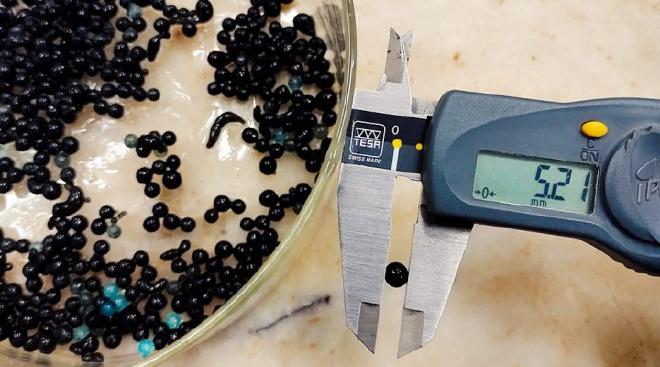
Meanwhile, Alicia Vergara, who was recently selected as a CONICET researcher and will continue with this line of research, pointed that “the modifications we make to the activated carbon that is commercially available can be done through temperature-free processes and using low-cost equipment that is very common in the industry.”
Development and testing #
“The studies were carried out using water contaminated with 100 parts per billion (ppb) of arsenic, following ANMAT regulations. It was possible to treat at least 8 thousand liters of water and lower the arsenic concentration to less than 10 ppb of arsenic, which is the recommended limit,” Vergara said.
Other contaminants #
The product was also successfully tested in dyes. “The results were very good, as well as for contamination by antibiotics, such as tetracycline, where the material showed a high removal potential,” stated Matías Barella.
According to CONICET postdoctoral fellow Carlos Rodríguez Ramírez, the duration of the product will depend on how contaminated the water is with arsenic. However, he pointed out that “its performance in terms of the number of liters treated is comparable to that of the higher-cost filters sold today in Argentina.” In this same sense, Barella stated that even if it were manufactured with inputs purchased at retail, the total value of the product would be much lower than that of the arsenic filters currently marketed. “In addition, it offers the advantage of being reusable, since with a simple procedure the contaminant can be desorbed and the material can be used again,” Vergara said.
Entrepreneurs where are you? #
Goyanes pointed out that the team are currently looking for a company to be able to move towards the commercialization of the development, under the conviction that in addition to having a positive social impact, the product offers potential profitability for those who decide to invest in it.
Contact [Notaspampeanas](mailto: notaspampeanas@gmail.com)