


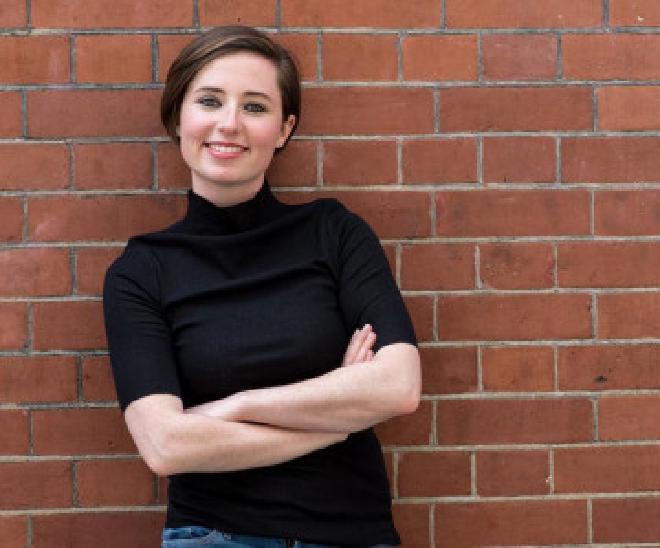
En su primer libro, ‘Predicted: How AI Is Restructuring Social Life’, Sloane lanzó una llamada de advertencia sobre este fenómeno, que denomina paradigma de predicción, sugiriendo que nos apropiemos de la IA para moldear proactivamente el futuro.
Sloane dice que se sintió motivada para escribir ‘Predicted’ porque gran parte del discurso que encontró sobre la IA estaba envuelto en un desastre o un boom, en lugar de ofrecer un análisis más certero de lo que realmente es la IA. “Quería dar a la gente el poder de imaginar y llevar a cabo grandes futuros con la IA y de entenderla como una forma de infraestructura que debe ser gobernada colectivamente”, dijo.
Profesora adjunta con dos nombramientos en estudios de medios y ciencia de datos, Sloane estudia la intersección entre inteligencia artificial y sociedad, específicamente en relación con el diseño, uso y políticas de IA. También lidera la serie Co-Opting AI, una serie de conferencias públicas sobre cómo utilizamos la IA.
Sloan espera que ‘Predicted’ ayude a la gente a pensar en la IA como un fenómeno social que ellos mismos pueden moldear, en lugar de algo que les ocurra. “La IA no es una fuerza mágica ni un fenómeno inevitable, sino un arreglo social deliberado que incrusta la lógica de la predicción en la infraestructura de la vida cotidiana — y como la IA solo es real porque nosotros la hacemos así, tenemos el poder de moldear lo que se convierte.”
La IA no es una fuerza mágica ni un fenómeno inevitable Mona Sloan, profesora de estudio de medios y ciencia de datos
Pregunta: ¿Cuál fue tu inspiración para escribir ‘Predicted’?
- Llevo 15 años trabajando en temas tecnológicos y en IA casi 10 — el libro es mi teorización de la IA, basada en ese trabajo. Me motivé a escribirlo porque veía que el discurso se reduce a fatalidad o explosión, en lugar de ofrecer un análisis más certero de lo que realmente es la IA. Quería dar a la gente el poder de imaginar y llevar a cabo grandes futuros con la IA y entenderla como una forma de infraestructura que debe ser gobernada colectivamente.
P: ¿Cuál es su relación con la IA en su vida personal y profesional?
- Utilizo IA para tareas de investigación rápidas, para buscar trabajos académicos, para ayudar a editar textos cortos o para redactar notas de reuniones. La IA es infraestructura, lo que significa que ya la usamos de muchas maneras y que cambia la forma en que nos relacionamos socialmente entre nosotros. Esto ocurre tanto si somos conscientes de ello como si no, porque la IA ya está integrada en infraestructuras digitales existentes.
P: ¿Quién esperas que lea este libro y qué impacto te gustaría que tuviera?
- Este libro es para todos. El mayor impacto que espero que tenga es que la gente empiece a pensar en la IA como un fenómeno social y uno que ellos mismos pueden moldear, en lugar de algo que les ocurra.
P: ¿Qué conclusiones principales esperas que tengan los lectores?
- La IA no es una fuerza mágica ni un fenómeno inevitable, sino un arreglo social deliberado que incrusta la lógica de la predicción en la infraestructura de la vida cotidiana — y como la IA solo es real porque nosotros la hacemos así, tenemos el poder de moldear lo que se convierte.
Cita #
- El artículo Predicted: Mona Sloane’s Debut Book Explores AI’s Social Power (Predicho: El libro debut de Mona Sloane explora el poder social de la IA), con la firma de Davene Wasser fue publicado en la sección de noticias de UVA Data Science
Contacto [Notaspampeanas](mailto: notaspampeanas@gmail.com)