


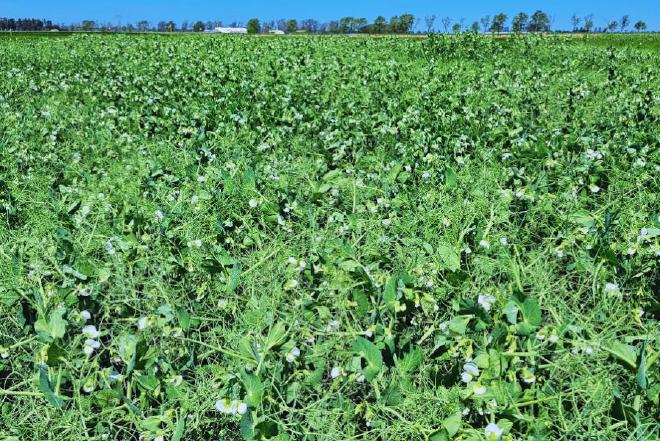
En un artículo publicado hoy el organismo indicó que una correcta planificación de la fertilización permitirá sostener niveles productivos y acercarse a los rendimientos alcanzables, optimizando el uso de insumos en un contexto desafiante. La propuesta surgió del INTA Oliveros, provincia de Santa Fe, quienes compartieron una serie de estrategias de manejo para mejorar la eficiencia del sistema productivo.
“Entre las decisiones más importantes al momento de la implantación de los cultivos, la nutrición ocupa un lugar central, junto con la elección del cultivar y la fecha de siembra”, aseguró Salvagiotti, quien no dudó en destacar la relevancia de realizar un análisis de suelo porque —según explicó— permite conocer el punto de partida y definir una estrategia de manejo, acorde a cada situación.
Salvagiotti admitió que “los principales déficits que suelen observarse son las faltantes de nitrógeno, azufre, fósforo y micronutrientes como zinc, lo que obliga a planificar la nutrición de manera integral y en función de la secuencia de cultivos”.
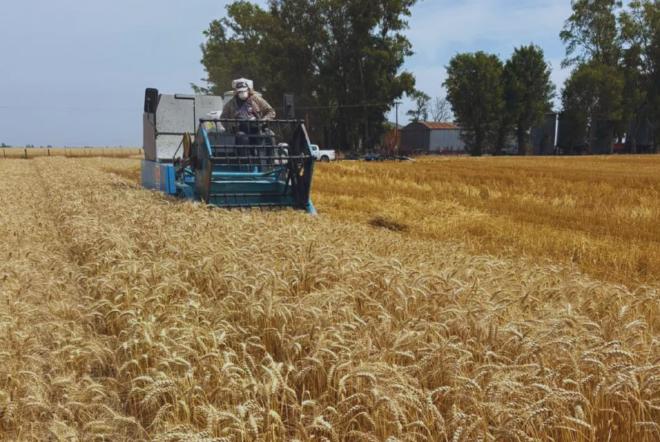
Tales aportes complementan la fertilización nitrogenada de los cereales, pero no reemplazan la fertilización con otros nutrientes, especialmente en suelos con bajos niveles de fósforo o en cultivos con mayores demandas de nutrientes. “La clave está en combinar estrategias: diagnóstico, planificación por ambiente y manejo de la rotación, para optimizar el uso de insumos y mejorar la eficiencia del sistema productivo”, aclaró.
Fósforo y nitrógeno #
En el caso del fósforo, si los niveles son bajos, será necesario aplicar dosis que permitan al menos sostener la demanda del cultivo, aun cuando no se logre recomponer el nivel del suelo. Respecto del nitrógeno, la planificación debe ajustarse a la oferta disponible y a la relación insumo-producto, considerando que la dosis óptima económica puede ser menor. En este sentido, dijo que resulta clave mantener flexibilidad y evaluar la posibilidad de refertilizaciones en función de la evolución de los precios y del cultivo.
Finalmente, expresó que es importante considerar que los cultivos de invierno, en su mayoría, forman parte de un esquema de doble cultivo con soja. Por lo que “la estrategia de fertilización no debe pensarse solo para el cultivo individual, sino para el sistema en su conjunto”, concluyó el especialista.
Contacto [Notaspampeanas](mailto: notaspampeanas@gmail.com)