


Ehrlichia chaffeensis is an intracellular bacterium transmitted by ticks to deer, canids, and humans. In infected people, it can cause human monocytic ehrlichiosis (HME), a disease with flu-like symptoms that may require hospitalization. Recently, a team of researchers from the Institute of Agrobiotechnology and Molecular Biology (IABIMO) INTA-Conicet detected the bacterium in specimens of swamp deer (Blastocerus dichotomus) and in ticks of the species Amblyomma triste that were parasitizing them, direct evidence of the possible existence of an active transmission cycle of this zoonotic pathogen in Argentine wildlife.
“In 2018, the bacterium Ehrlichia chaffeensis was found for the first time in deer populations in the swamps of Argentina. From an active surveillance in the health of these mammals that began to be carried out in the province of Corrientes and in the Delta of Buenos Aires, the bacterium was detected again in deer in different years,” explained Marisa Farber, head of the IABIMO specialized group.
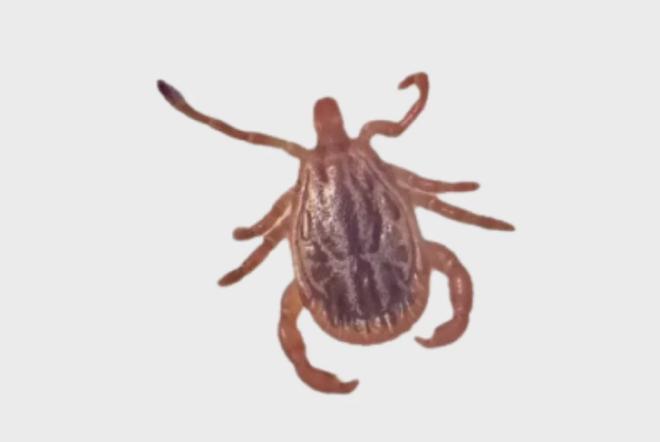
From this work, E. chaffeensis DNA was identified in two samples of deer blood and in the salivary glands of three ticks that parasitized one of these animals. The methodological approach confirmed that it was an active infection in ticks and not traces of blood ingested during feeding.
The study also underlines the diagnostic complexity associated with this type of bacteria. “As it is an intracellular bacterium, it cannot be grown in the laboratory in a usual way, as in classical bacteriology,” explained Marisa Farber, an INTA specialist, adding: “That is why it is necessary to use molecular biology tools to detect its presence both in the mammal and in the vector that transmits it.”

“This identification provides key evidence of a possible transmission cycle that connects the E. chaffeensis-positive swamp deer with ticks in Argentine wetlands,” said Guillemi, who explained that “it’s the first time that an infected host and a tick also positive for this bacterium have been detected together feeding on it, which strengthens the evidence of an active transmission cycle.”
Citation #
- The study Molecular detection of Ehrlichia chaffeensis in marsh deer (Blastocerus dichotomus) and their parasitic Amblyomma triste ticks in Argentina suggests a local transmission cycle was published in Parasites Vectors, National Library of Medicine from de NIH of United States. Authors: Eliana Carolina Guillemi, María Marcela Orozco, Iara Figini, Paula Blanco, Marisa Diana Farber.
PMID: 41484667 PMCID: PMC12866569 DOI: 10.1186/s13071-025-07211-1
Contact [Notaspampeanas](mailto: notaspampeanas@gmail.com)