


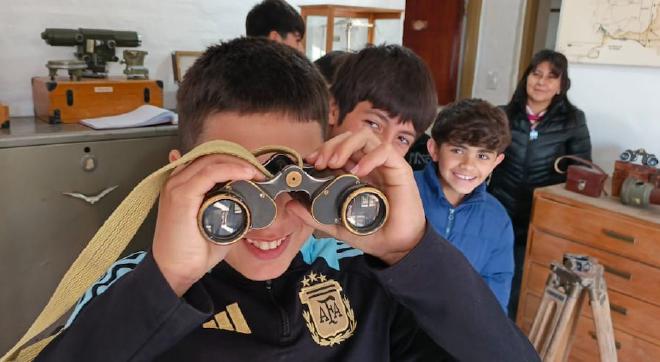
All week, students, families and neighbors were able to tour the historical space that houses tools, machinery and objects used since the 1950s, linked to the colonization process and the development of the irrigation system that transformed the region and gave identity to the twenty-five community.
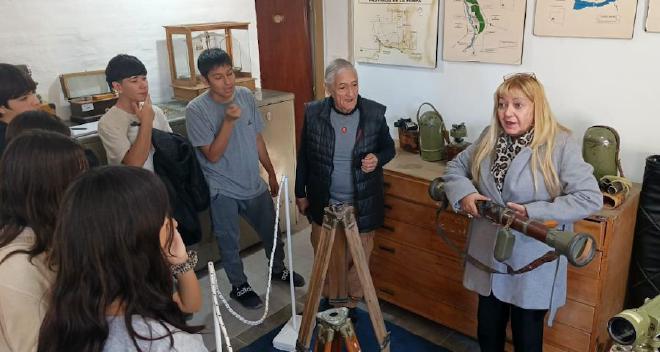
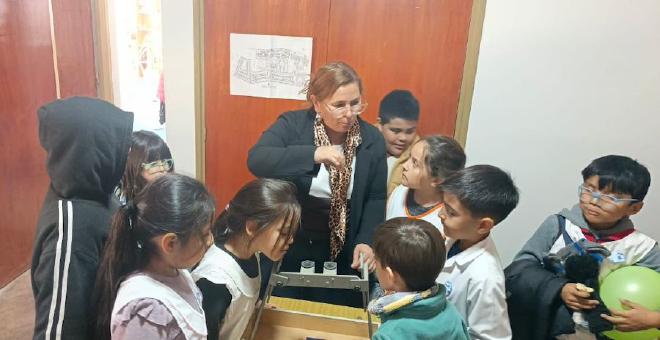
The activities included educational workshops for primary and secondary schools, meetings with former residents and workers of the Entity, as well as exhibitions of historical machinery and accessories from the mid-20th century.
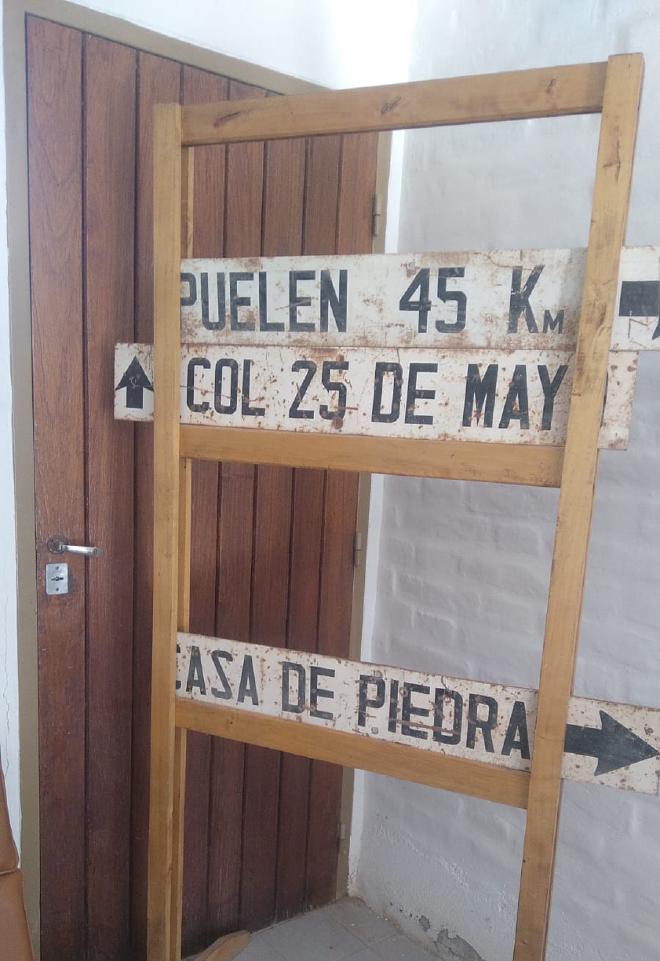
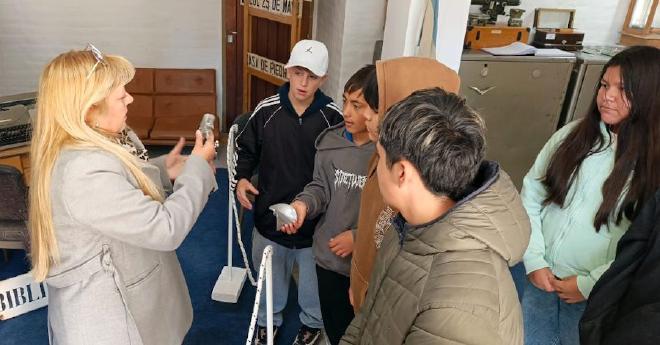
Meanwhile, the person in charge of the Museum, Elena González, expressed her satisfaction with the echo in the community. “It exceeded all expectations. It was very nice and very special. All the secondary schools and also an elementary school participated,” she said.
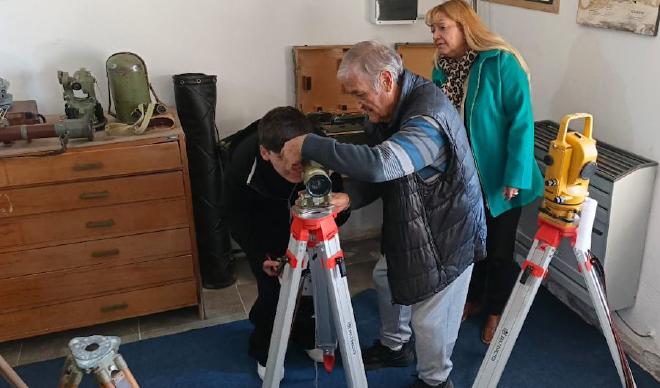
She told that more than 400 people visited the space during the week and explained that the proposal arose from an invitation from Cultural Heritage of the provincial government, an initiative to which the different Pampean museums joined, including the EPRC. “It was a very satisfying job to see that all the kids know the history of our town”, she stated, while also appreciating the work of recovery and preservation of historical elements used in the origins of 25 de Mayo.
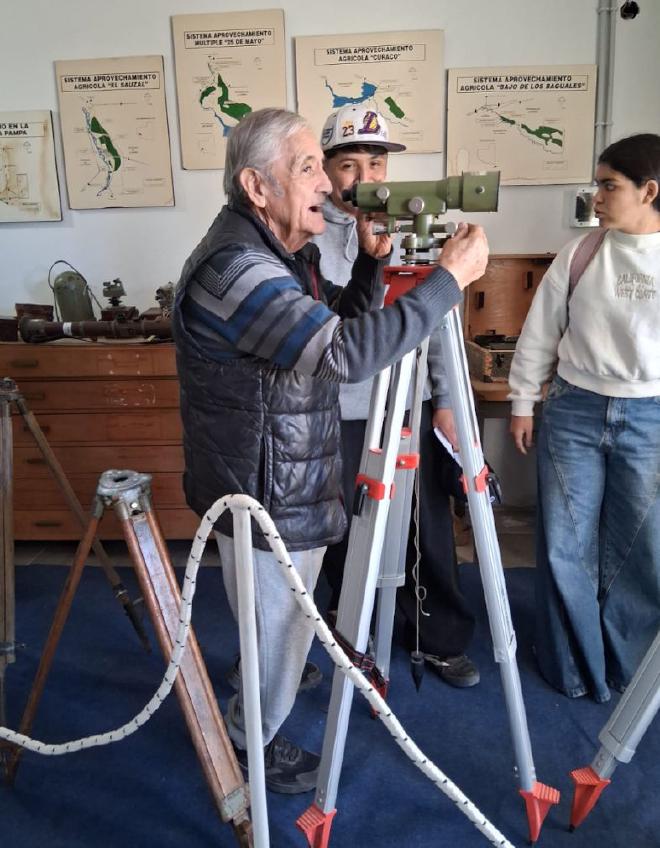
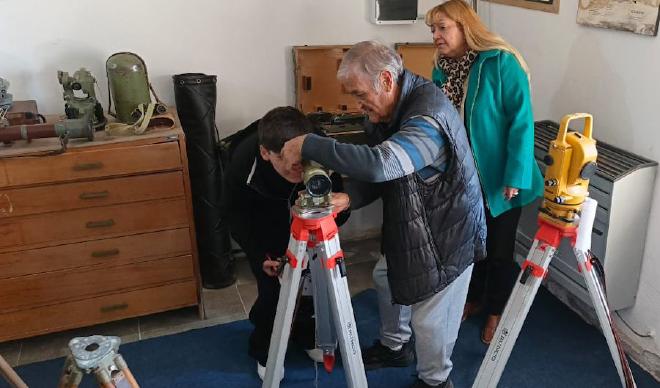
She stated that work is being done so that in the future the Museum of the Provincial Entity of the Colorado River will be declared a Provincial Museum, along with the Ex Casa Huésped, as part of the provincial heritage. In addition to pointing out the importance of advancing in the digitization of the documentary center and in the collection of testimonies of former workers of the EPRC who used the tools exhibited and can give details of those epics that date back not only to the century but to the last millennium.
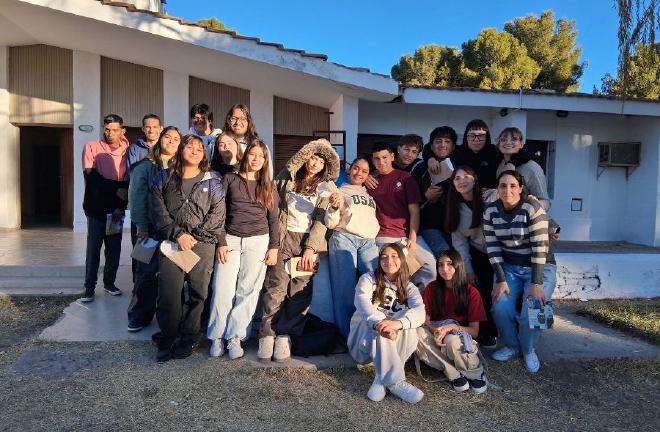
Finally, she especially thanked the president of EPRC, Jorge Poletti, for the support provided, the organization’s staff and the collaboration of Moira Morisoli and Jorge Héctor Navarro.
Contact [Notaspampeanas](mailto: notaspampeanas@gmail.com)