La Pampa: Invitan a descubrir las lenguas de los pueblos originarios en la muestra 'Al Viento'
·2 mins·
Notaspampeanas
La Pampa
Secretaría De Cultura
Museo Provincial De Historia Natural
Universidad Nacional De La Pampa
'Al Viento'
Autor
Notaspampeanas
Notaspampeanas
Tabla de contenido
Tabla de contenido
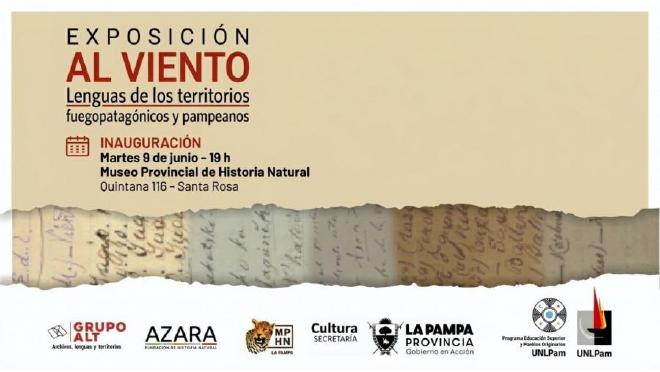
La muestra “Al Viento” será inaugurada el martes 9 de junio a las 19:00 horas, en la sede del Museo Provincial de Historia Natural, en una actividad conjunta con la UNLPam. La propuesta es libre y gratuita, y combina investigación científica con una experiencia multimedial para rescatar y valorar la diversidad lingüística de la región.
La Agencia Provincial de Noticias indicó que el Museo Provincial de Historia Natural, de la Secretaría de Cultura de La Pampa, invitó a sus instalaciones en Quintana 116, de Santa Rosa, a la inauguración de la muestra temporal “Al Viento. Lenguas de los territorios fuegopatagónicos y pampeanos".
La exposición, organizada en conjunto con la Secretaría de Cultura y Extensión Universitaria de la Universidad Nacional de La Pampa (UNLPam), podrá visitarse entre los meses de junio y agosto. Además de la exhibición principal, las instituciones involucradas planificaron una agenda complementaria que incluirá actividades artísticas, presentaciones de libros y diversos encuentros vinculados a la temática convocante.
“Al Viento” es el resultado de un desarrollo colectivo en el que participaron investigadoras, investigadores, docentes, nodocentes, becarias, becarios y estudiantes de la Universidad Nacional de Río Negro (UNRN), la Universidad Nacional de La Pampa (UNLPam), otras universidades nacionales y el CONICET.
La propuesta surgió tras los trabajos en los archivos que posibilitaron recuperar valiosos registros lingüísticos de los pueblos originarios de los territorios fuegopatagónicos y pampeanos. Sobre esa base científica, se construyó una experiencia multimedial e interactiva integrada por paneles informativos y fotografías, objetos tridimensionales, registros de audio y video y mapas interactivos.