


Los resultados muestran que los humanos ocuparon constantemente una posición intermedia y omnívora en la red alimentaria, con dietas que incluían recursos tanto animales como vegetales. Sin embargo, con el tiempo, los datos isotópicos revelan un cambio gradual hacia valores asociados con un mayor consumo de plantas. *Esta tendencia comenzó en el Pleistoceno tardío y continuó hasta el Holoceno, mucho antes que la primera evidencia confirmada de cultivos domesticados en la región. En lugar de reflejar una repentina “revolución” agrícola, los hallazgos apuntan a un proceso a largo plazo de participación de las plantas entre los cazadores-recolectores de la selva tropical.
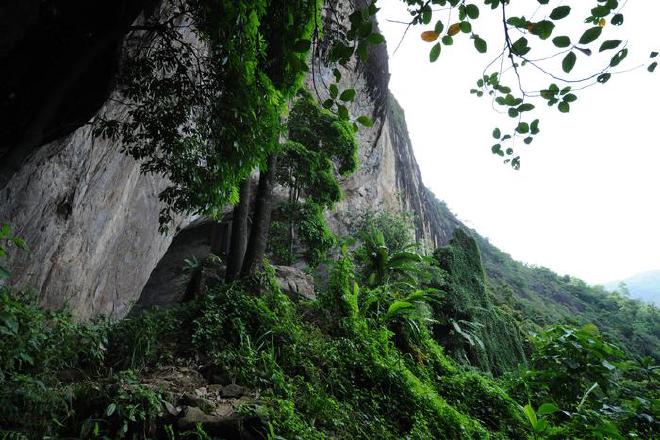
El estudio se basa en décadas de trabajo arqueológico en sitios clave de cuevas en Sri Lanka, incluidas Fa-Hien Lena, Batadomba-lena y Balangoda Kuragala, que han producido evidencia de una ocupación humana sostenida de ambientes de selva tropical durante decenas de miles de años. Si bien las interpretaciones anteriores a menudo han enfatizado la caza, debido en gran parte a la preservación de restos de animales y herramientas, la evidencia directa del consumo de plantas sigue siendo limitada porque los materiales orgánicos rara vez sobreviven en tales entornos.
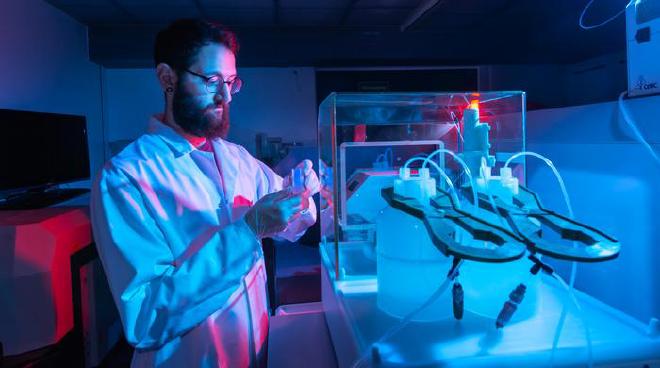
Para abordar esta brecha, los investigadores aplicaron análisis de isótopos de zinc (δ⁶⁶Zn) de última generación al esmalte dental de 24 individuos humanos y 57 muestras de fauna. Este método refleja el nivel trófico de un individuo y es particularmente adecuado para contextos tropicales.
Qué dice la geoquímica? #
“El registro arqueológico de Sri Lanka ofrece una rara oportunidad de examinar las interacciones a largo plazo entre el hombre y el medio ambiente en un entorno tropical”, dijo el Dr. Oshan Wedage, del Departamento de Historia y Arqueología de la Universidad de Sri Jayewardenepura. “Estos resultados resaltan cómo las poblaciones locales adaptaron su uso de recursos a lo largo del tiempo, particularmente en relación con la explotación vegetal”.
Más allá de las implicaciones regionales, el estudio contribuye a debates más amplios sobre los orígenes de la agricultura, el uso de la tierra y el papel del uso de las plantas en la evolución humana. Los hallazgos respaldan modelos en los que la agricultura surge de prácticas de búsqueda de alimento de larga data en lugar de cambios abruptos de subsistencia.
Cita #
- El estudio Pre-agricultural intensification of plant use in Pleistocene Sri Lankan rainforests (Intensificación preagrícola del uso de plantas en los bosques tropicales del Pleistoceno de Sri Lanka) fue publicado en la revista Nature Ecology & Evolution. Autores: Nicolas Bourgon, Marcus Oelze, Noel Amano, Oshan Wedage, Nimal Perera & Patrick Roberts
Article Open access Published: 20 May 2026 Pre-agricultural intensification of plant use in Pleistocene Sri Lankan rainforests Nicolas Bourgon, Marcus Oelze, Noel Amano, Oshan Wedage, Nimal Perera & Patrick Roberts Nature Ecology & Evolution (2026)
Contacto [Notaspampeanas](mailto: notaspampeanas@gmail.com)