


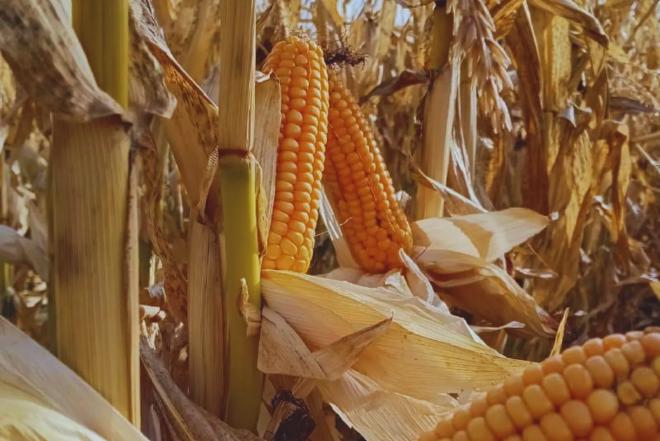
Según anunció el INTA, el ensayo representa un paso clave para conocer cuál es la frontera agrícola del maíz hacia el sur del país. El INTA en Patagonia Sur evaluó híbridos de maíces en distintas localidades de las provincias de Santa Cruz y Chubut, con el objetivo de generar información local que permita conocer su adaptación, rendimiento y potencial como alternativa productiva.
Los ensayos se realizaron en conjunto con la empresa semillera Laboulet Semences en Perito Moreno. La experiencia apunta a conocer el desarrollo y adaptación del cultivo, su comportamiento en distintos ambientes y la viabilidad para la producción en la región.
El organismo señaló que las características particulares de estos híbridos resultan interesantes para las condiciones climáticas imperantes de Santa Cruz (temperaturas bases inferiores a lo normal —6 grados—, secado rápido, resistencia a heladas moderadas en algunos estadios del cultivo) y sobre todo con una ventana de cultivo que es corta —de 100 a 120 días—.
El INTA remarcó que la ganadería extensiva —principalmente ovina y, en menor medida, bovina— domina gran parte del territorio. Sin embargo, la baja oferta forrajera de los pastizales naturales está limitando el aumento de la mejora productiva.
“En este contexto, el maíz aparece como un cultivo estratégico por su aporte potencial de energía, fibra y en menor medida proteína, ya sea mediante la producción de granos o planta entera para silaje, pensando en reducir costos de nutrición animal de la ganadería, cubrir un bache de oferta forrajera en otoño e invierno, mejorar la oferta y contribuir al desarrollo productivo regional”, señaló Toledo.
“Esta experiencia constituye un antecedente técnico relevante para el desarrollo de sistemas agrícolas o agrícolas-ganaderos en Patagonia demostrando que el uso de híbridos adaptados al frío, junto con un adecuado manejo nutricional e hídrico, permite alcanzar niveles productivos promisorios para la generación de forraje, ensilaje y eventualmente producción de grano”, destacó Toledo.
“Los resultados obtenidos -agregó- refuerzan la necesidad de continuar evaluando materiales genéticos, fechas de siembra y estrategias de manejo que permitan optimizar la estabilidad y productividad del cultivo de maíz con rindes de 7.000 kilos (granos), de 80 a 120 toneladas de material vegetal verde y de 15 a 26 toneladas de materia seca (planta entera) por hectárea en ambientes australes de Santa Cruz”.
La experiencia en la cordillera del Chubut #
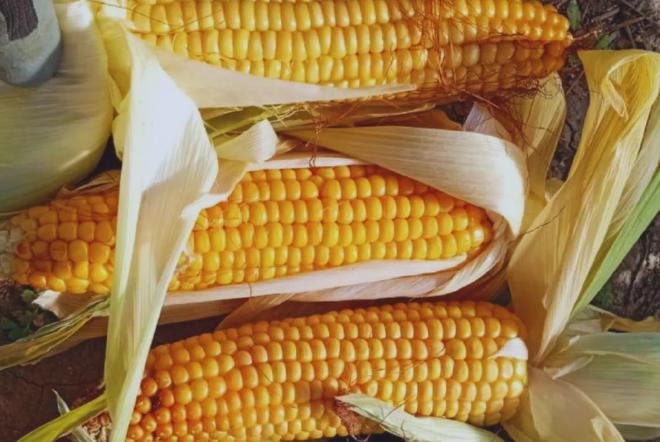
La base forrajera de la ganadería en la zona está basada en el uso de pastizales naturales y pasturas implantadas. Con esto en vista, especialistas del INTA Esquel trabajaron con la empresa mencionada, y realizaron una caracterización fenológica y una evaluación de rendimiento de seis híbridos híperprecoces de maíz.
Ecos positivos #
El ensayo llevado a cabo en el Campo Experimental Trevelin del INTA arrojó datos positivos. La mayor producción de planta entera se logró con Tirnavia (22.120 kilos por hectárea), el híbrido de ciclo más largo, que alcanzó un 88 % más de rendimiento de materia seca respecto al registrado por Zeta 125. En cuanto al rendimiento de grano, no se observaron diferencias significativas entre los híbridos (valores entre los 6.000 y 8.850 kilos por hectárea), en donde el modelo explicó el 49 % de la variabilidad observada en el rendimiento, con un coeficiente de variación del 24,9 %, lo que explica que, a pesar de los valores tan distantes no se encontraron diferencias estadísticas.
Lexow expresó que “en el ensayo llevado adelante en la localidad de El Hoyo, los rendimientos obtenidos por la mayoría de los híbridos fueron muy destacados, sobresaliendo LS Joalia y Zeta 125 con más de 12.000 kilos por hectárea, pero hay que mencionar que la experiencia es de solo una temporada, por lo cual, es recomendable repetir los ensayos durante más tiempo”.
El informe del INTA concluyó que los resultados obtenidos en esta experiencia, demostraron que la producción de maíz es factible también en la zona cordillerana del noroeste de Chubut.
Contacto [Notaspampeanas](mailto: notaspampeanas@gmail.com)