


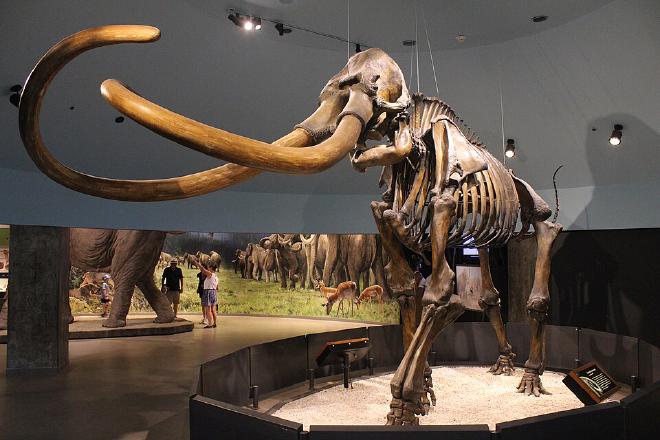
Los hallazgos del profesor Todd Surovell de la Universidad de Washington, el profesor emérito Robert Kelly y colegas de otras instituciones son el último avance en un debate de larga data sobre los comportamientos y movimientos de los primeros americanos antes de la extinción de grandes animales herbívoros, como mamuts, otras criaturas parecidas a elefantes, perezosos terrestres gigantes y grandes camellos, hace entre 11.000 y 13.000 años.
«Los primeros paleoindios eran cazadores-recolectores con gran movilidad residencial que utilizaban tecnología homogénea y aprovechaban vastos territorios sin un patrón definido, en el contexto de una rápida expansión geográfica a través de numerosas regiones ecológicamente distintas de América del Norte y del Sur en el transcurso de unos pocos siglos», escribieron los investigadores. «El enfoque en los megaherbívoros facilitó la rápida expansión humana hacia diferentes ecosistemas antes de que la extinción de la megafauna propiciara la diversificación regional mediante adaptaciones a los recursos disponibles localmente».
Según las estimaciones de los investigadores, en las tres regiones, al menos el 98 % de la dieta de estos primeros paleontianos provenía de grandes mamíferos. Esto tiene sentido, según el nuevo estudio, en parte porque las presas de gran tamaño y ricas en grasa proporcionan relativamente más calorías y nutrientes que los animales más pequeños.
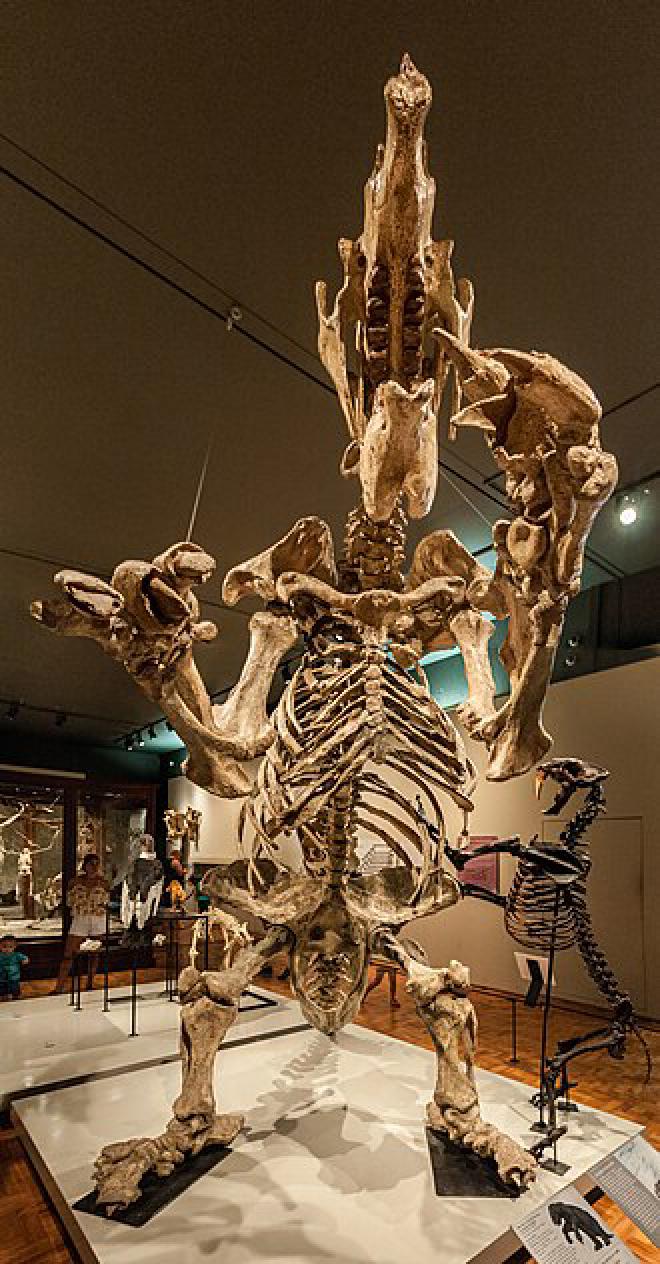
“Cuando estos cazadores-recolectores centrados en la megafauna entraron en el centro del continente, se encontraron primero con muchas de las mismas especies (y similares) en ecosistemas de estepa-tundra muy parecidos y emplearon una estrategia de subsistencia y alta movilidad similar”, escribieron los investigadores. “Si bien el momento de la apertura y la viabilidad ecológica del Corredor Libre de Hielo siguen sin resolverse, una vez abierto, el hábitat del mamut lanudo se extendió a través del Corredor Libre de Hielo desde Beringia hasta las tundras proglaciales del medio oeste de Estados Unidos. Los humanos cambiaron su enfoque de subsistencia hacia el mamut colombiano, muy similar, que se encuentra en toda Norteamérica hasta el sur de las tierras altas de Centroamérica y, en menor medida, mastodontes y gonfoterios en otras regiones de Norteamérica. Las poblaciones de (punta de proyectil de cola de pez) que se expandieron por Sudamérica seguían presas de megafauna similares, incluidos grandes perezosos terrestres (milodontes y megaterios) y gonfoterios, y otra megafauna como camélidos y équidos”.
En concreto, Surovell, Kelly y sus colegas afirman que el argumento de que comer solo mamíferos grandes no sustentaría nutricionalmente a las poblaciones humanas ha sido refutado por investigaciones que demuestran que las dietas ricas en proteínas, conocidas como dietas cetogénicas, son de hecho saludables.
Además, afirman que hay una buena razón por la que existen pocas pruebas de que los primeros americanos accedieran a la médula ósea de los animales que mataban o de los que se alimentaban: había comida de sobra disponible sin necesidad de procesar los huesos.
Los investigadores afirman que los argumentos que sostienen que los primeros humanos no eran capaces de matar mamíferos gigantes no se sostienen ante la evidencia. Las herramientas utilizadas para la caza, como las puntas Clovis y las puntas de proyectil Fishtail, eran sin duda capaces de penetrar la piel de los mamuts mediante el uso de lanzadardos y lanzas, y es probable que los paleoindios cazaran en grupo para aumentar sus posibilidades de éxito.
«La evidencia arqueológica sobre los patrones de subsistencia, tecnología y movilidad del Paleoindio temprano respalda la afirmación de que las primeras estrategias adaptativas a escala continental en Beringia oriental, Norteamérica subglacial y Sudamérica fueron especialistas en grandes presas, no generalistas dietéticos», concluye el artículo. «El patrón comenzó con la explotación del mamut lanudo en Beringia occidental (norte de Siberia) en el hábitat de estepa-tundra y su continuación en Beringia oriental (Alaska). El hábitat del mamut lanudo conectaba Beringia con el Corredor Libre de Hielo y la región de los Grandes Lagos, donde los cazadores encontraron una especie similar, el mamut colombiano, lo que facilitó una rápida expansión por toda Norteamérica".
Además de Potter, Surovell y Kelly, los miembros del equipo de investigación son James Chatters, de la Universidad McMaster en Hamilton, Ontario, Canadá; Luciano Prates, de la Universidad Nacional de la Plata en La Plata, Argentina; Iván Pérez, del Museo Histórico y Arqueológico de Neuquén, Argentina; Gustavo Politis, de la Universidad Nacional del Centro de la Provincia de Buenos Aires en Tandil, Argentina; y Matthew Wooller, de la Universidad de Alaska-Fairbanks.
Cita #
- El estudio Hemisphere-wide evidence of Early Paleoindian megaherbivore specialization fue publicado en Science Advances. Autores: Ben A. Potter, James C. Chatters, Luciano Prates, S. Iván Pérez, Todd Surovell, Gustavo Politis, Matthew J. Wooller & Robert L. Kelly
Financiación #
-
National Science Foundation from USA.
-
El artículo UW, Other Researchers Find Early Americans’ Primary Diet Was Mammoths, Other Large Mammals fue publicado en la sección de novedades de la Universidad de Wyoming
Contacto [Notaspampeanas](mailto: notaspampeanas@gmail.com)