


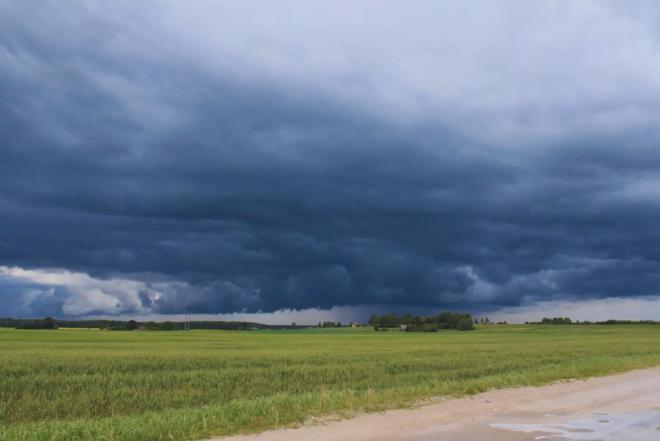
Las últimas actualizaciones de los centros meteorológicos y climáticos internacionales indicaron que el fenómeno El Niño-Oscilación del Sur está en formación, con más del 80 % de probabilidades de establecerse durante el período junio-agosto. El Niño es, ante todo, un forzante climático que amplifica y regionaliza la variabilidad climática que nuestra región experimenta año tras año.
Pablo Mercuri #
Según lo explicado por Pablo Mercuri, director del Centro de Investigación de Recursos Naturales (CIRN), “los extremos de excesos hídricos se concentran sobre todo en determinadas zonas y cuencas, mientras que vastas áreas productivas transitan estos ciclos con condiciones favorables e incluso excepcionales para la producción durante los años El Niño y post El Niño”.
“Se debe tener en cuenta que la señal o impacto de un fenómeno El Niño ya establecido históricamente es diferente para cada región, dado que las diferentes zonas de nuestro país tienen diferente impacto en el régimen de lluvias y temperaturas durante este fenómeno”, añadió.
Natalia Gattinoni #
Por su parte, Natalia Gattinoni, meteoróloga del Instituto de Clima y Agua del INTA, anticipó que, “para el trimestre junio-julio-agosto, se prevé una mayor probabilidad de que las precipitaciones acumuladas se ubiquen dentro del rango medio o normal para la época, incluso con chances de superar los valores históricos en las provincias del centro y norte del país”.
Temperaturas #
En cuanto a las temperaturas, se prevé una mayor probabilidad de que las temperaturas medias del trimestre se ubiquen entre valores superiores a lo normal en todo el país.
Además, Mercuri reconoció que mientras los extremos de excesos hídricos se concentran sobre todo en determinadas zonas y cuencas, hay numerosas áreas productivas que transitan estos ciclos, marcados con una tendencia a año El Niño, con condiciones favorables e incluso excepcionales para la producción.
El especialista afirmó que “se debe tener en cuenta que la señal o impacto de un fenómeno El Niño, cuando ya establecido históricamente es diferente para cada región, dado que las diversas zonas de nuestro país tienen impacto o respuestas diferentes en sus regímenes de lluvias y temperaturas durante este fenómeno”.
Riesgos para la producción, las poblaciones rurales y suba de caudales #
Prevención y planificación #
Mercuri dijo que de la experiencia obtenida a partir de eventos anteriores, como los ocurridos en 1997/98, 2009/10 y 2015/16, todos clasificados de fuerte intensidad, demostraron que la clave está en la anticipación. “La diferencia entre sufrir daños y pérdidas o capitalizar las oportunidades que generan estos fenómenos depende de tomar decisiones preventivas y planificar con tiempo”, precisó.
Medidas #
En media loma, el escenario es mixto: aprovechar la buena disponibilidad hídrica eligiendo cultivos y fechas de siembra que no queden expuestos a encharcamientos prolongados.
¿Una crisis con posibles ecos positivos? #
Mercuri detalló que en el plano hídrico, el agua que hoy se percibe como amenaza puede ser el recurso más valioso de los próximos años si se gestiona con inteligencia: reservorios, aguadas, humedales funcionales, almacenamiento de agua en el perfil del suelo, sistematización agrohidrológica de campos y microcuencas.
Entender El Niño #
La intensidad del fenómeno se relaciona con qué tan cálido puedo volverse el área del océano que se monitorea. En ese sentido, Gattinoni explicó que “El Niño, históricamente, tiene un ciclo de vida que podría comenzar durante el trimestre de abril a junio, con una intensidad débil e ir incrementando su intensidad hacia la primavera”.
La especialista aseguró que “se trata de un fenómeno océano-atmósfera, por lo que se deben esperar los cambios en la atmósfera (viento, presión, nubosidad) para considerarlo como realmente establecido y poder aguardar su impacto en el cambio de los regímenes de lluvias”. Y advirtió que “la intensidad del fenómeno —no necesariamente— se asocia con mayores lluvias o impacto, e incluso depende de la región y época del año donde nos encontremos”. Dejó en claro que “una clave para tomar decisiones es conocer cómo las lluvias de nuestra región respondieron a los fenómenos anteriores de El Niño”.
Para la campaña 2026/27, las condiciones iniciales con respecto al contenido hídrico de los suelos, vuelve a ser una variable clave para encarar las planificaciones ante un escenario El Niño. “Los pronósticos climáticos estacionales de lluvias y temperatura elaborados de manera trimestral son una herramienta más para ajustar decisiones dentro de la evolución de este fenómeno”, recordó, finalmente, Gattinoni.
Contacto [Notaspampeanas](mailto: notaspampeanas@gmail.com)