


  1. Posts/

Who do tipsters really work for?

·3 mins·
Notaspampeanas
Adolescents Demography Risk Assessment Mass Media Social Media Communications Social Sciences Health Medicine Addictions
Notaspampeanas
Author
Notaspampeanas
Digging on curiosity and science.
Table of Contents

Following tipsters—social media figures who share betting predictions—is associated with higher gambling risk among adolescents, according to a study co-led by Miguel Hernández University of Elche (UMH) and the University of Vigo in Spain.

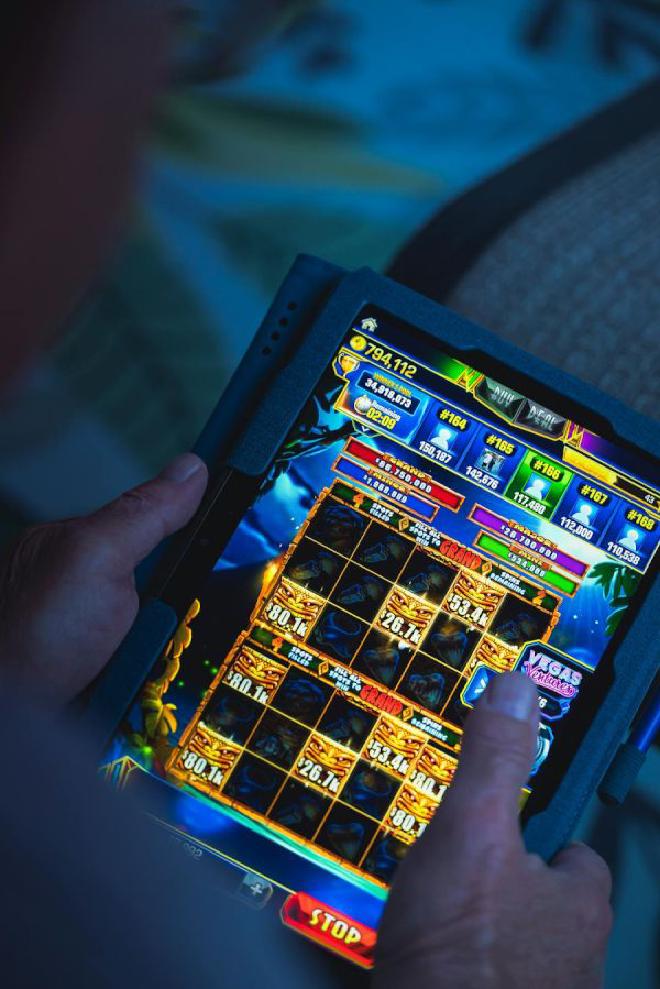
Image by Chris F on Pexels

The study shows that adolescents who actively follow tipsters report higher gambling intention, increased gambling frequency, and psychosocial profiles linked to greater vulnerability. These include lower perceived risk, stronger normative perception (belief that gambling is widespread), and more intense gambling motives—particularly financial ones.

Importantly, the findings indicate that active exposure—following tipsters—rather than simple awareness is what is most strongly associated with risk indicators.

Tipsters operate across social media, messaging apps, and specialised platforms, promoting betting as a routine, profitable, and socially accepted activity. Within digital environments shaped by influencer culture and sports content, their messages are embedded in aspirational narratives and everyday online experiences.

“Tipsters are not just providing information; they act as amplifiers of a broader gambling culture,” explained UMH professor Daniel Lloret Irles, co-leader of the study.

Their content often emphasises winning bets while downplaying losses, contributing to a distortion of perceived control—a cognitive bias that leads individuals to overestimate their ability to predict uncertain outcomes.

The study analysed data from 782 secondary school and vocational students (mean age ~15.8 years), who were classified into three groups: those unfamiliar with tipsters, those aware but not following them, and those who actively follow them.

Results reveal a clear gradient: adolescents who follow tipsters consistently show the highest levels of gambling intention, frequency, and severity. Differences between those unaware of tipsters and those who simply know about them are small or negligible, particularly among girls.

“This suggests that feeling connected to this content—not just knowing it exists—is what increases risk,” Lloret noted.

What about gender?
#

The study also identifies gender differences. Boys report higher gambling intention and frequency, consistent with previous evidence linking male adolescents to earlier and more frequent engagement in sports betting.

Researchers describe a convergence between tipster narratives—focused on success, strategy, and control—and male gambling profiles, which may reinforce engagement.

The influence of tipsters operates through two main mechanisms. First, normative influence: repeated exposure reinforces the idea that gambling is common and socially accepted. Second, the illusion of control: selective presentation of wins creates the perception that outcomes can be predicted and controlled.

The findings highlight limitations in current regulation, particularly regarding affiliate marketing on social media. Tipsters often act as intermediaries that attract users to betting platforms, while their content is not always clearly identified as advertising.

Researchers call for stronger regulation of tipster-related marketing, transparency in success rates and commercial intent, and restrictions on gambling content accessible to minors. They also emphasise the need for media literacy programmes targeting adolescents, families, and schools to address persuasive strategies, reduce the illusion of control, and improve risk awareness.

“Exposure to tipsters can act as an early marker of vulnerability, even before adolescents begin to gamble,” Lloret concluded.

Citation
#


Contact [Notaspampeanas](mailto: notaspampeanas@gmail.com)


Related

Mental health and problematic consumption: conferences in Castex and Falucho for the community and territorial approach
·3 mins
Notaspampeanas
La Pampa Mental Health Addictions Problematic Consumption Ministry of Security and Justice Undersecretary of Mental Health Eduardo Castex Falucho
Childhood cancer: the importance of early diagnosis and a comprehensive approach
·5 mins
Notaspampeanas
La Pampa Ministry of Health International Day Against Childhood Cancer Children Adolescents Favaloro-Molas Hospital Complex Pediatric Oncology Service
CONICET scientists find a new 70-million-year-old reptile in Argentine Patagonia
·6 mins
Notaspampeanas
CONICET Paleoteius Lakui MACN Federico Agnolin Martín Ezcurra Paleoteius Late Cretaceous Argentine Patagonia National Geographic Society Paleontology Laboratory of Comparative Anatomy and Vertebrate Evolution Argentine Museum of Natural Sciences Río Negro Scientific Reports Allen Formation Yacimiento De Salitral Ojo De Agua Fundación Félix De Azara Gondwana Pangaea Scincomorpha High-Performance Computing Center National University of Cordoba
Probiotic yeasts from CONICET researchers show improvements in the fattening and intestinal health of pigs.
·5 mins
Notaspampeanas
Probiotic Yeasts CONICET Pig Cattle CIDCA Kluyveromyces Marxianus Malena Ferreyra Compagnucci Martín Rumbo
Reeds can promote the proliferation of mosquitoes in rivers, canals and ponds
·5 mins
Notaspampeanas
Ecology Arundo Donax Mosquitoes Reeds
The interstellar comet 3I/ATLAS was born somewhere much different from our solar system
·3 mins
Notaspampeanas
Comets Astronomy Astrochemistry 3I/ATLAS Atacama Large Millimeter/Submillimeter Array MDM